
The Case Against Stapleton
The Hound of the BaskervillesThis conflict thread traces how Holmes turns a chain of circumstantial clues into a witnessed attack and an exposed pattern of deception.
increasing Bearing strength in each event
 decreasing
Bearing strength in each eventdecreasingA Suspect Among Neighbors

A Suspect Among Neighbors
A limited field
Holmes lists the people surrounding Henry, including the Barrymores, Mortimer, Frankland, and Stapleton.
Caution over accusation
He warns Watson not to eliminate suspects prematurely or confuse suspicion with guilt.
The investigation begins broadly rather than fixating on one man.
A Motive and a Method
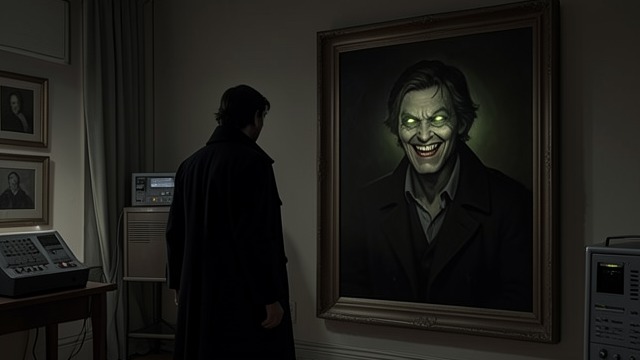
A Motive and a Method
The inheritance connection
The portrait suggests Stapleton is related to the Baskervilles and has reason to want the estate.
A concealed instrument
The dog and its luminous disguise explain how fear could be turned into a weapon.
A plausible theory emerges, but proof is still missing.
Laura’s Testimony
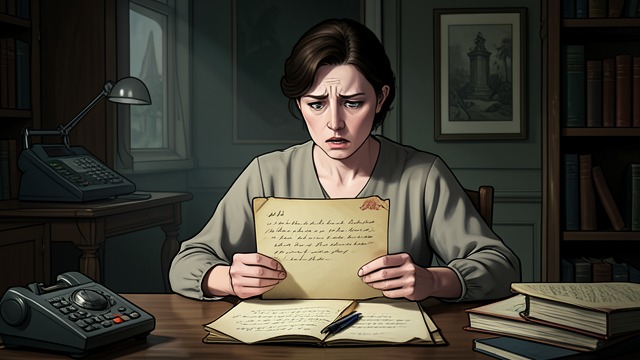
Laura’s Testimony
A manipulated letter
Laura confirms that Stapleton dictated her letter and prevented her from meeting Sir Charles.
Motive strengthened
Her account links Stapleton to the appointment but does not by itself prove he killed Charles.
The first half of the plot becomes legible.
The Failed Attack
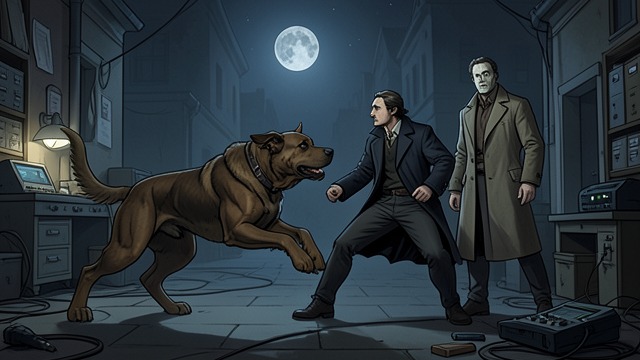
The Failed Attack
The intended victim survives
Stapleton’s hound follows Henry’s clothes but kills Selden instead.
The murderer remains free
Holmes recognizes the likely design yet cannot arrest Stapleton on conjecture alone.
The conflict shifts from deduction to the need for witnesses.
The Net Closes
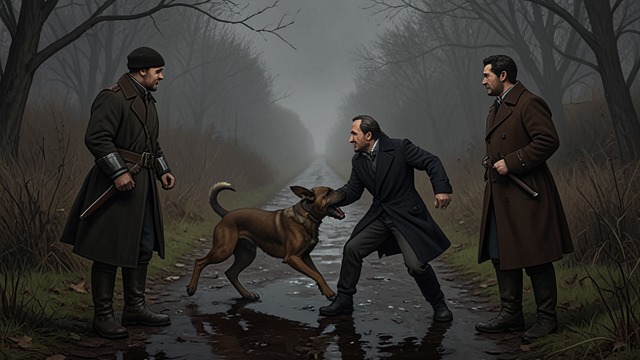
The Net Closes
A witnessed assault
The hound attacks Henry as the detectives watch from the path.
Flight and exposure
After the animal is killed, Stapleton flees and Beryl identifies his route through the mire.
The planned crime becomes an observable chain of events.
After Watson meets the local residents
After the family portrait is examined
The afternoon before the final ambush
The night Selden dies
The final night at Merripit
